<< Top >> Japanese

[JVC]

Activities in South Africa


About JVC
Vision & Mission
Activities
Cambodia
Laos
Thailand
South Africa
Iraq
Palestine
Afghanistan
Korea
Sudan
Research & Advocacy
Get involved
JVC Staff
Contact Us


Ecological agriculture, HIV/AIDS

(source: "JVC Annual Report - 2008 report / 2009 plan", Mar 2010)
¥

Program background

In South Africa 15 years have passed since the end of apartheid (racial segregation) in 1994. However, the structure of the society has not changed where a North-South gap of wealth distribution continues to exist and the unemployment rate among the indigenous black people is still high at 60%. The economy which had been growing at a rate of 5% per year declined to - 1.8% in the forth quarter of 2008, due to the worldwide recession. This led to massive layoffs in mines and other places, revealing the weakness of the economic base, which de-pends solely on investment and mineral resources.

In addition, 12% of the population in South Africa has been infected with HIV, with more than 1000 people dying from AIDS every day. Losing wage-earners on top of rising commodity price is further adding to the diffi-culties of poor families.

Under such circumstances, JVC is helping people to lead a stable life through agriculture and is also supporting people who take action against HIV and AIDS.

Summary of activities

1. Rural development

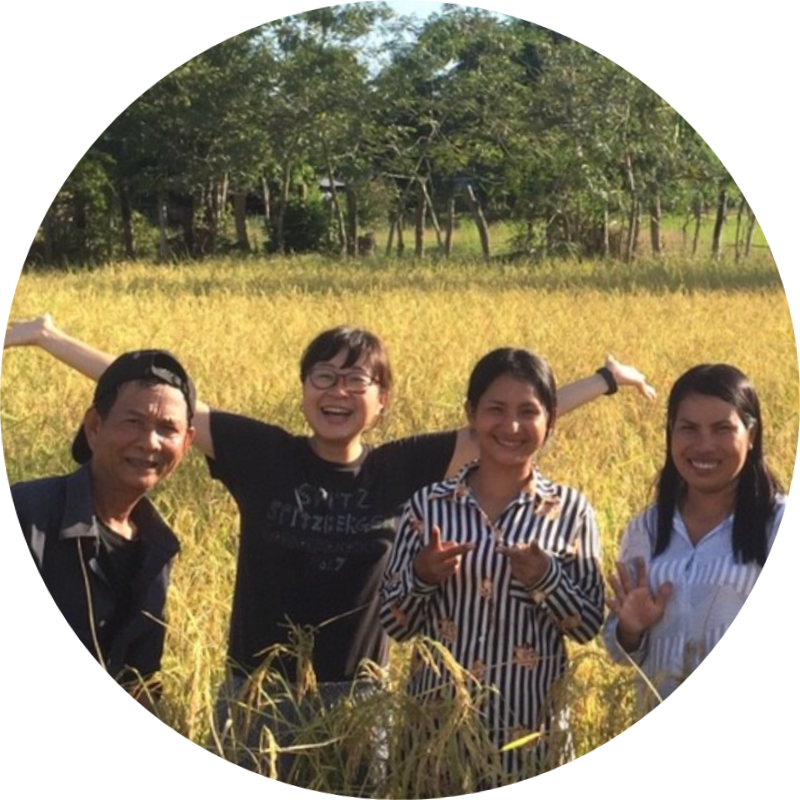
In rural areas where agriculture declined under apartheid, we have been working since 2001 on spreading ecological agriculture in nine villages in Cala region of the Eastern Cape province. Through this effort, we are aiming to help local people to re-vive agriculture and to make stable food production. Through a one and a half year follow-up period star-ted in 2007, we conducted a Training of Trainers (TOT) for the farmers who had performed well, with an aim to promote "farmers who can sustain their activities on their own and spread them to newco-mers."

2008 Annual Report

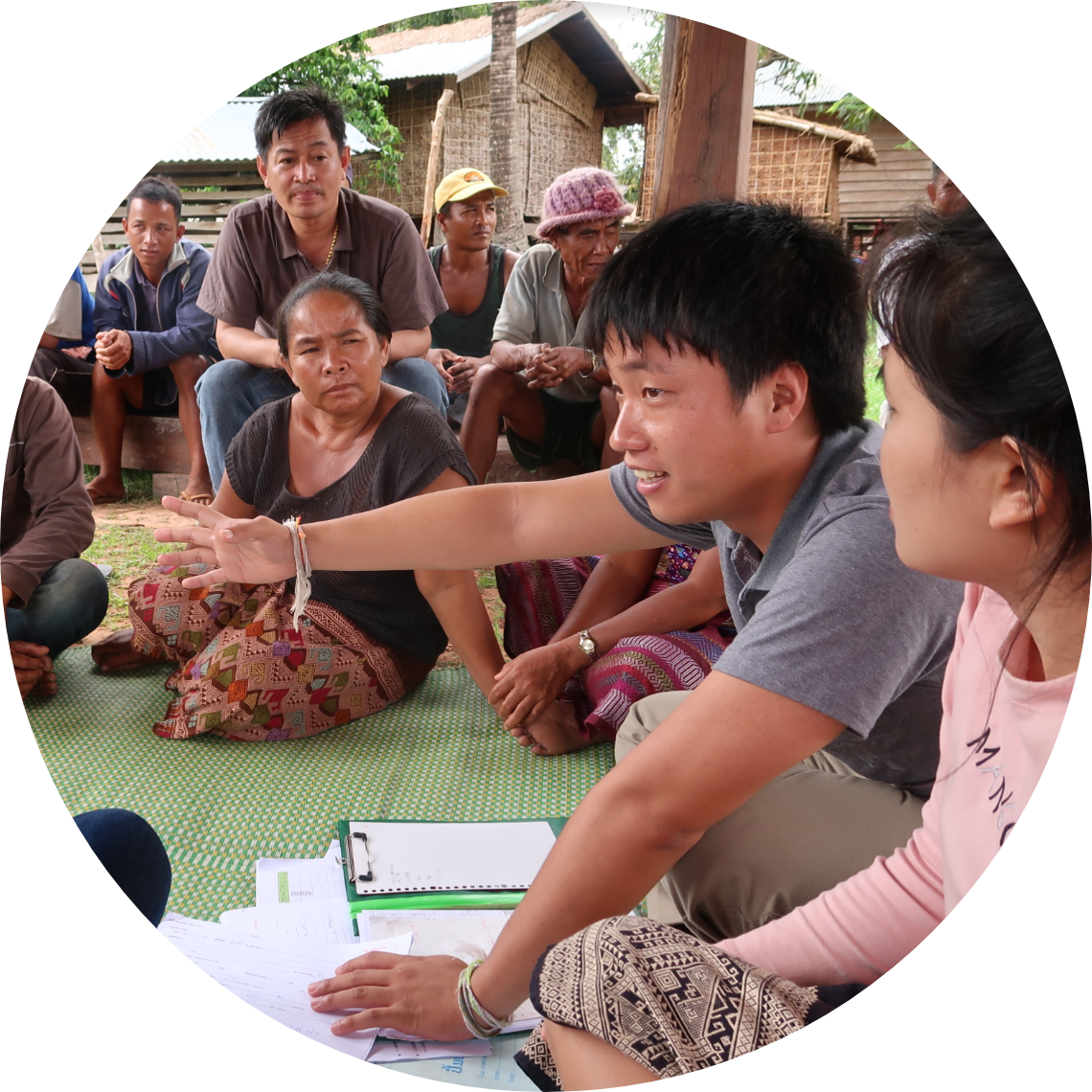
As a follow-up activity to the TOT conducted in 2007, we organized workshops in four regions (seven villages) from January to May 2008. As a result, al-though there was some regional variation, we found out there were 18 new practitioners of farming in Rebelskloof village, where six female trainers were working together to train people. When the program was evaluated in August, we identified a total of 61 new practitioners in seven villages. At a meeting of farmers to share their experiences, which doubled as a completion ceremony for the TOT program, 19 farmers were commended as outstanding trainers.

Recently in South Africa, Genetically Modified Or-ganisms (GMO) and Massive Food Production (MFP), which use lots of pesticides and chemical herbicides, have been introduced by the government and large enterprises, as part of the policy to increase food production for poor farmers. In November the villages where we conduct activities were visited, with a South African NGO that makes policy recom-mendations, and study meetings on GMO were held and information exchanged with the practitioners.

2. HIV/AIDS

In South Africa, 12% of the population (5.7 million people) has been infected with HIV. HIV/AIDS has a particularly severe effect amongst poor people and children. However, the response of the South African government has been slow. Especially in rural villages where there is little aid or information, large numbers of people are unable to receive care or medical treatment. Considering these circumstances, JVC launched a joint project in 2005 with Japanese NGO SHARE (Service for the Health in Asian and African Regions) which specializes in health care.

2008 Annual Report

Continuing from 2007, we cooperated with the local NGO Pholoshong, in the Capricorn district in Limpo-po province. In November we evaluated the project and confirmed successful results in each activity.

(1)Vegetable Garden Training

For people living with HIV and AIDS (PWA), nutri-tion is essential in order not to develop AIDS. We conducted Vegetable Garden Training for community volunteers involved with lunch service centers for orphans and visiting care services. As a result, volunteers are now able to supply vegetables to PWA and children in the community.

(2)Training for the Home Visiting Care Givers

These volunteers support PWA in the community. We conducted follow-up training to the treatment and counseling training conducted in 2007. We learned about necessary information through confirming how acquired knowledge was applied and identifying the challenges in the activities.

(3)Treatment Literacy Training

We provided a gathering place for PWA, who tend to become isolated, and provided knowledge about the treatment. After we conducted follow-up training to the 2007 training for 19 people, four PWA are now actively working as training instructors.

(4)Peer Education on HIV/AIDS for Young People

We conducted HIV/AIDS peer education training for a group of about 30 young people through a drama performance. Up until that point, there had been no HIV/AIDS peer education for people in their late teens as they are becoming sexually ac-tive. We confirmed that awareness and knowledge related to HIV/AIDS prevention were significantly improved among the participants through these activities.

2009 Annual Plan

In the evaluation report for the project con-ducted in 2008, we confirmed positive results in each activity, include training, but also confirmed that we need some more follow-up training until the project goals are accomplished. In response to this evaluation, we will conduct two main activities as follows for a one-year follow-up period in 2009.

(1)Vegetable Garden Training

We will conduct training with a focus on three points: Seed and seedling cultivation related to sustainable agriculture, training on securing the water, and nutrition needed to support children and PWA.

(2)Training on AIDS treatment for home vi-siting care volunteers and PWA

We will conduct training with focus not only on the medical aspects of AIDS but also on the social aspects such as the rights of PWAe and how to deal with specific problems.

Action Research

In Soweto (formerly a black neighborhood) near Johannesburg, we plan to conduct Vegetable Garden Training for local people, using land at a junior high school in the area. Local people had already started growing vegetable gardens for the purpose of provid-ing vegetables for children who can't pay for school lunch. We will aim to build a good relationship with local people by supporting these efforts, to collect information and conduct research on the community and to decide the direction of our activities after 2010.


© 2004 - 2010 Japan International Volunteer Center(JVC) all rights reserved.